November 16, 2026
How Local Markets Build Stronger Napa Valley Communities
By @gardentotable
A weekly tradition that does more than feed you
Every Saturday morning in Napa Valley, a handful of parking lots and town squares transform into something bigger than a place to buy tomatoes. People arrive early, coffee in hand, and spend the next hour wandering from stall to stall. They stop to chat with the farmer who grew the squash, sample a new variety of apple, and leave with bags full of produce, bread, flowers, and maybe a jar of local honey. What looks like a simple grocery errand is actually one of the most effective ways to support Napa farmers and keep the valley's agricultural landscape alive.
Farmers markets are not a new idea. They have been around for as long as people have grown more food than they could eat. But in Napa Valley, where vineyards dominate the rural scenery and tourism drives much of the economy, the role of the market has evolved into something more layered. It is a place where food access meets community gathering, where small farms get a direct line to customers, and where the distance between field and table shrinks to a few dozen steps.
What a California Certified farmers market really is
A farmers market in Napa Valley is not just a collection of tables under a tent. Many of them carry the California Certified label, which means every vendor has been inspected and approved by the county agricultural commissioner. Only the farmer who grew the crop or the producer who made the item can sell it. No reselling, no middlemen. That certification is what guarantees that the strawberries you buy came from the farm that grew them, not from a wholesale distributor.
For the shopper, this certification matters because it builds trust. You know the person at the stall can answer your questions about how the peppers were grown, what variety of peach you are holding, or whether the eggs came from pastured hens. For the farmer, it means a direct sales channel that bypasses the complicated supply chains that often squeeze small growers out of the market. That direct connection is the heart of the system.
How the market works for the people who grow your food
Small farms operate on thin margins. A farmer who sells to a grocery store might receive less than half of the shelf price after the distributor, the warehouse, and the retailer take their cuts. At a farmers market, the farmer sets the price and keeps nearly all of it. That difference can make or break a season for a small operation. It allows the grower to invest in better soil, more diverse crops, or equipment that reduces labor. It also makes farming more sustainable as a livelihood, which encourages younger generations to stay in the business.
Beyond the economics, the market provides a regular schedule. A farmer knows that every Wednesday or Saturday, a certain number of customers will show up. That predictability helps with planning what to plant and how much to bring. It also reduces waste. When a farmer picks what they think they can sell in a few hours, they are less likely to overproduce and leave crops to rot in the field. The market becomes a buffer against the inefficiencies that plague larger food systems.
What it means for you as a shopper
When you buy a head of lettuce at a supermarket, it has likely traveled hundreds of miles and spent days in cold storage. The same lettuce at a farmers market was probably harvested the day before, sometimes the morning of the market. That difference in food miles translates directly into flavor and nutrition. Produce that ripens on the vine and is picked at peak maturity tastes better and retains more vitamins than something harvested early so it can survive a long truck ride.
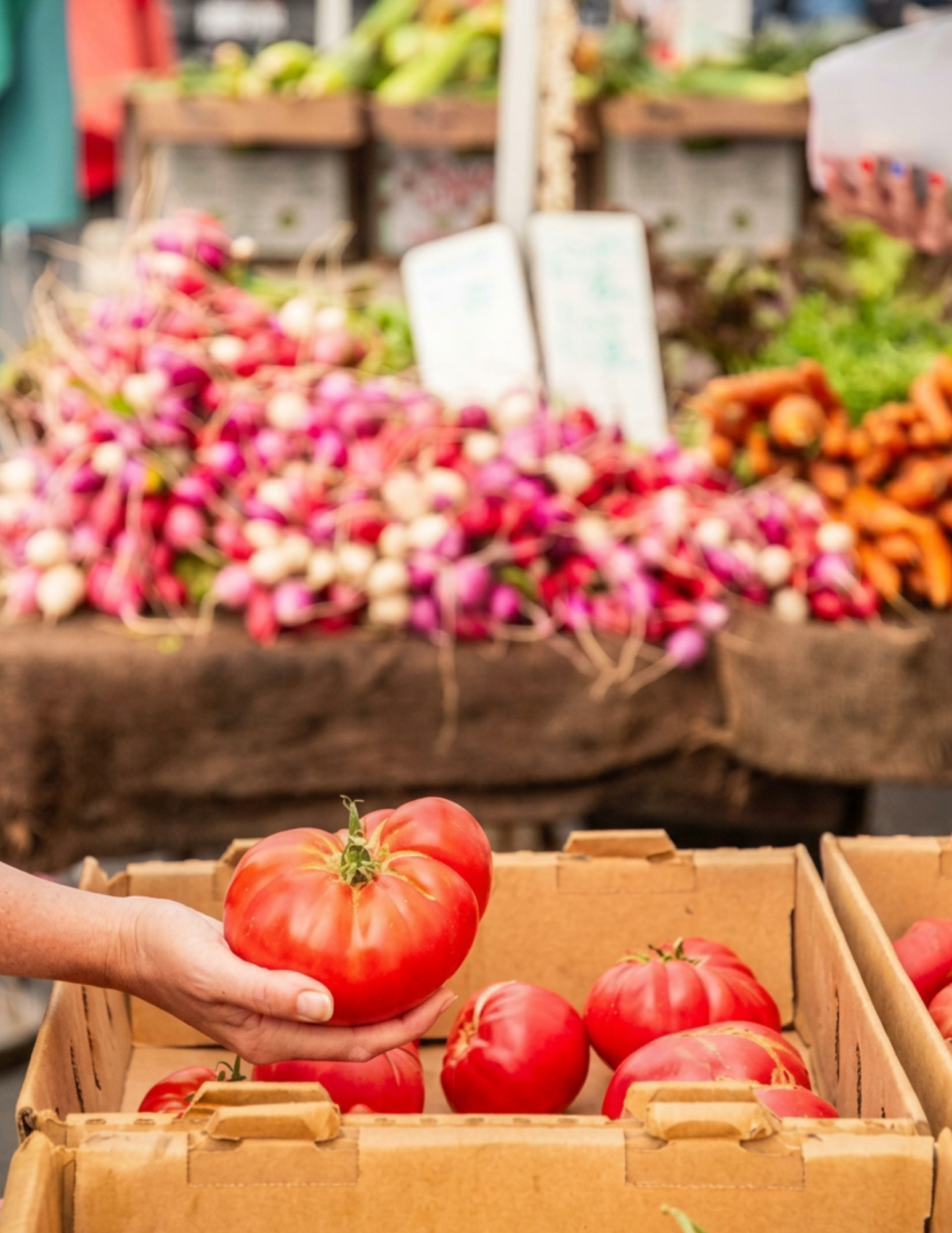
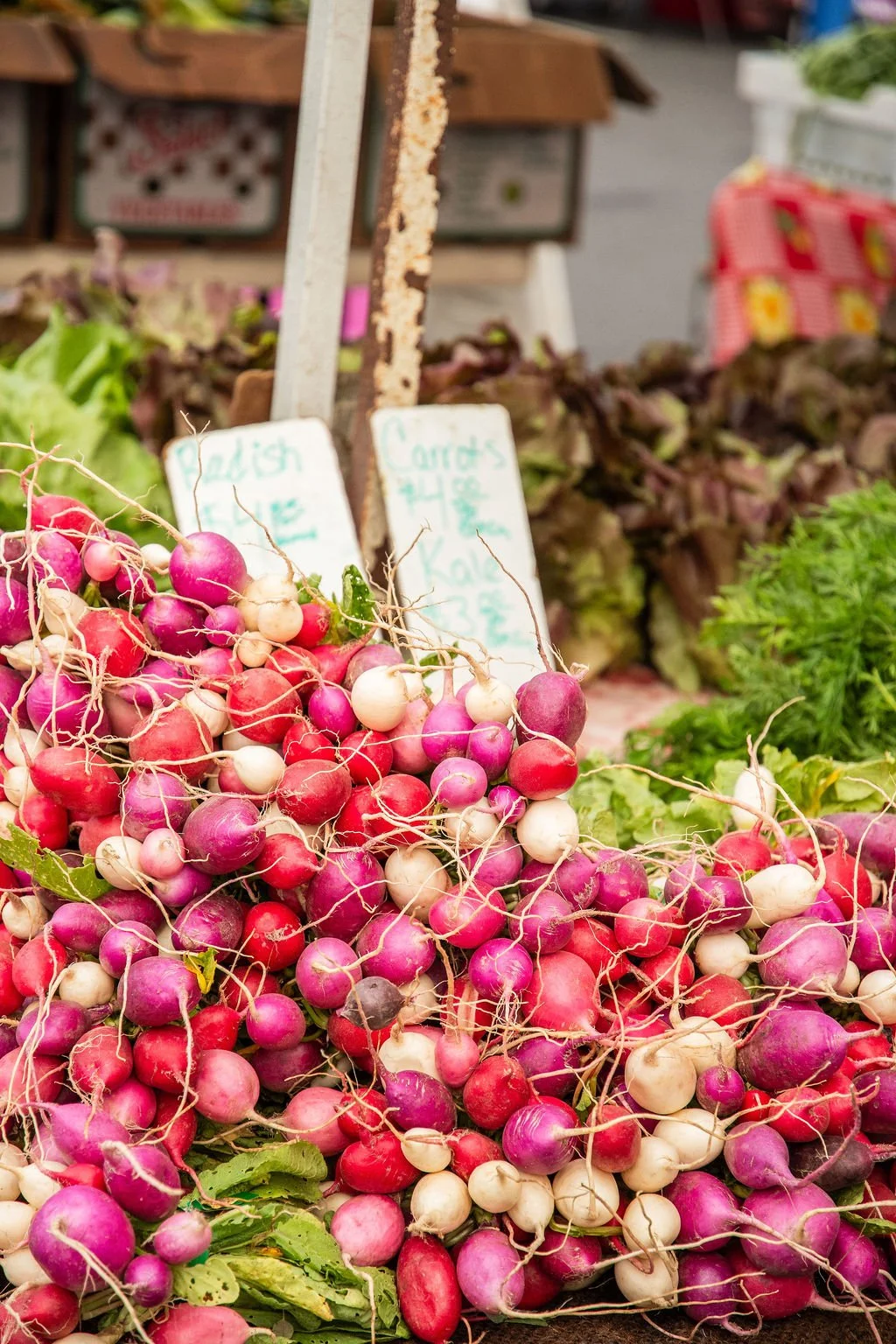
You also get variety, and not just the kind you see in a glossy supermarket display. Small farms often grow heirloom varieties that are not bred for shipping durability. They may offer purple carrots, striped tomatoes, or melons that taste like candy. These are crops that would never make it onto a grocery shelf because they bruise easily or look uneven. At the market, those imperfections are part of the appeal.
You can also bring your own reusable bags and reduce packaging waste. Most vendors at Napa Valley markets are happy to hand you a bunch of kale or a dozen eggs without wrapping them in plastic. Over a season of weekly shopping, that adds up to a lot less trash.
Markets as community gathering spaces
A farmers market is one of the few places where people from different parts of the valley see each other regularly. You run into neighbors you only know by face, chat with the baker who remembers your name, and listen to a local musician playing guitar near the flower stall. The market becomes a social anchor. For many residents, it is the highlight of the week. For visitors, it offers a genuine taste of local life that no restaurant can replicate.
This community gathering function is especially important in a region like Napa Valley, where the population is spread across several small towns. The market gives each town a central event that draws people from surrounding areas. It also provides a low-barrier entry point for people who might not otherwise engage with local agriculture. A family that comes for the live music and stays for the peaches might leave with a new appreciation for where their food comes from.
Some markets also feature prepared foods, artisan goods, and craft beverages. A shopper can grab a breakfast taco, buy a loaf of sourdough, and pick up a jar of local olive oil all in one stop. That convenience helps the market compete with the supermarket for the weekly grocery trip. And every dollar spent at the market stays in the local economy, supporting the farmer, the baker, and the soap maker rather than a corporate headquarters far away.
The role of the market in food access
Fresh produce is not equally available in every part of Napa Valley. Some neighborhoods have fewer grocery stores and more fast food options. Farmers markets that accept CalFresh and other nutrition benefits help bridge that gap. When a market is located in or near an underserved area, it becomes a direct source of fruits and vegetables that might otherwise be hard to find. Many markets also offer matching programs that double the value of benefit dollars, making fresh food more affordable for low-income families.
This is where the market's role goes beyond convenience and into equity. A family that uses CalFresh benefits to buy produce at the market is not just getting better food. They are also participating in the same community gathering space as everyone else. The market does not separate shoppers by income. Everyone stands in the same line, talks to the same farmer, and carries the same reusable bags home.
When you choose to shop at a farmers market, you are helping to make that system work. Your purchase supports the infrastructure that keeps the market running, the staff that processes benefit transactions, and the farmers who show up every week regardless of weather. It is a practical way to support Napa farmers and the network that connects them to the people who eat their food.
How to get the most out of your market trip
If you have never shopped at a farmers market in Napa Valley, the experience can feel a little different from a supermarket run. Here are a few things that help:
- Bring cash in small bills. Many vendors take cards now, but cash is still the most reliable option, especially early in the morning when card readers can be slow.
- Arrive early for the best selection of seasonal items. The first hour is when the most sought-after produce and baked goods go fast.
- Talk to the farmers. Ask what is freshest that week and how they recommend cooking something you have not tried before. Most farmers love to share tips.
- Bring your own bags. Sturdy reusable bags or a basket make it easier to carry everything and cut down on waste.
- Plan to stay a while. The market is not a grab-and-go errand. Give yourself time to wander, sample, and enjoy the atmosphere.
The bigger picture for Napa Valley
Napa Valley is famous for its wine, but the region's agricultural heritage includes far more than grapes. Walnuts, olives, citrus, stone fruit, vegetables, and herbs all grow here. Farmers markets give those crops a stage. They remind residents and visitors alike that the valley is a working agricultural landscape, not just a tourist destination. Every market that thrives helps preserve farmland that might otherwise be sold for development. It keeps the land productive and the rural character of the valley intact.
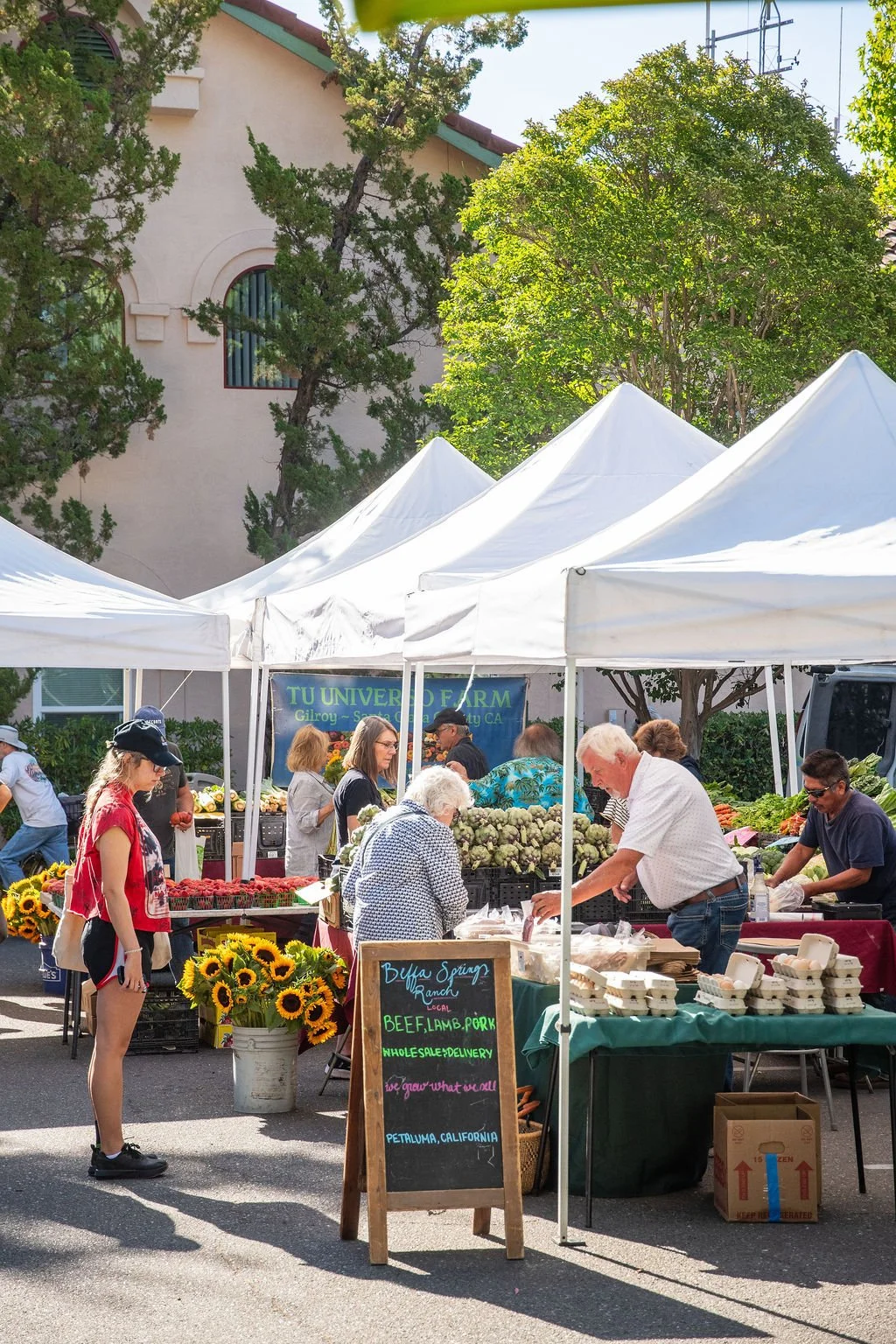
The market also supports local economy in a circular way. When a farmer earns enough at the market to buy supplies from a local feed store, that money circulates within the same community. When a shopper buys lunch from a prepared food vendor, that vendor buys ingredients from the farmer next door. The whole system reinforces itself. It is a web of transactions that keeps money moving through the valley rather than leaking out to distant corporations.
For anyone who lives in or visits Napa Valley, the farmers market is one of the simplest and most enjoyable ways to connect with the land and the people who work it. It does not require a special membership or a big commitment. You just show up, buy food, and talk to a farmer. That small act, repeated week after week, is what makes the market work. And it is what keeps the valley's small farms viable for the next season, and the one after that.
So next time you see a market day on the calendar, consider going not just for the produce, but for the role you play in something larger. Every purchase is a vote for the kind of food system you want to live in. And in Napa Valley, that system starts with a few tables under a tent, a handful of farmers, and a community that shows up to meet them.
❧